ESF 01
Agrivoltaics
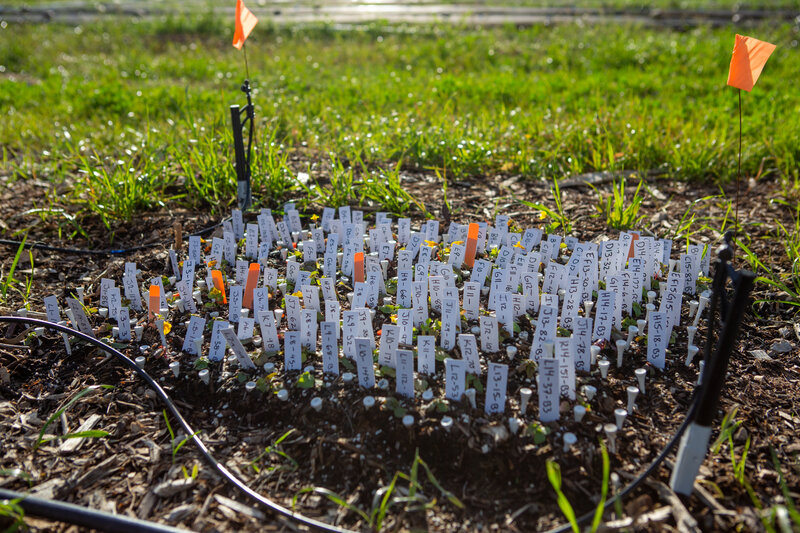
Solar panels and crops share the same ground, in a trial asking whether panel shade can raise yields, cut irrigation and ease the heat while the array keeps producing power.
Conduct impactful agricultural research with world-class infrastructure
The Experimental Smart Farm welcomes researchers from UC Merced, other UC campuses, and partner institutions to conduct agricultural and environmental research at our facility.
We support a wide range of research activities, from short-term sensor deployments to multi-year crop studies. Our team works with researchers to ensure they have the infrastructure and support needed for successful projects.
Whether you're studying precision irrigation, remote sensing, soil science, or agricultural AI, ESF provides a real-world testbed for your research. We are particularly excited about emerging fields like agrivoltaics, which leverages solar energy production to expand crop type options in the Central Valley through strategic shading.
Comprehensive support for your research project, from controlled environment facilities to field-scale plots with full instrumentation.
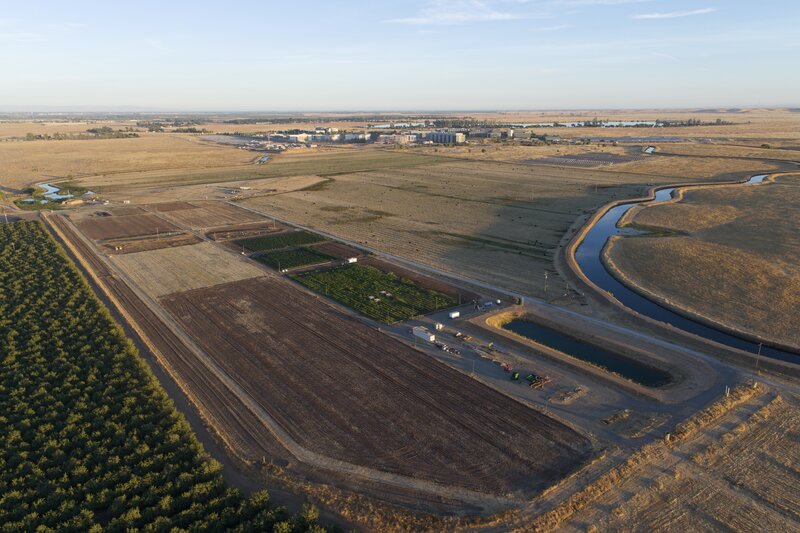
Instrumented research plots, sensor networks, power, and connectivity
Automated data collection, storage, and processing systems
Site preparation, planting assistance, and ongoing maintenance
Access to drones, sensors, and specialized agricultural equipment
Engineering and data science support for research projects
Connection with other ESF researchers and VISTA faculty
ESF is equipped with robust connectivity and sensor infrastructure to support data-intensive research.
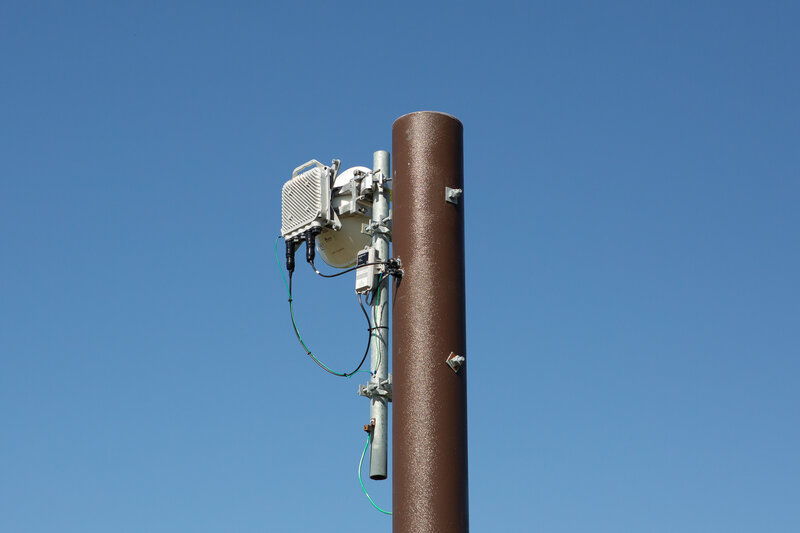
Full WiFi coverage across the farm with a 10 Gbps microwave backhaul link to UC Merced campus, enabling real-time data transfer and remote monitoring.
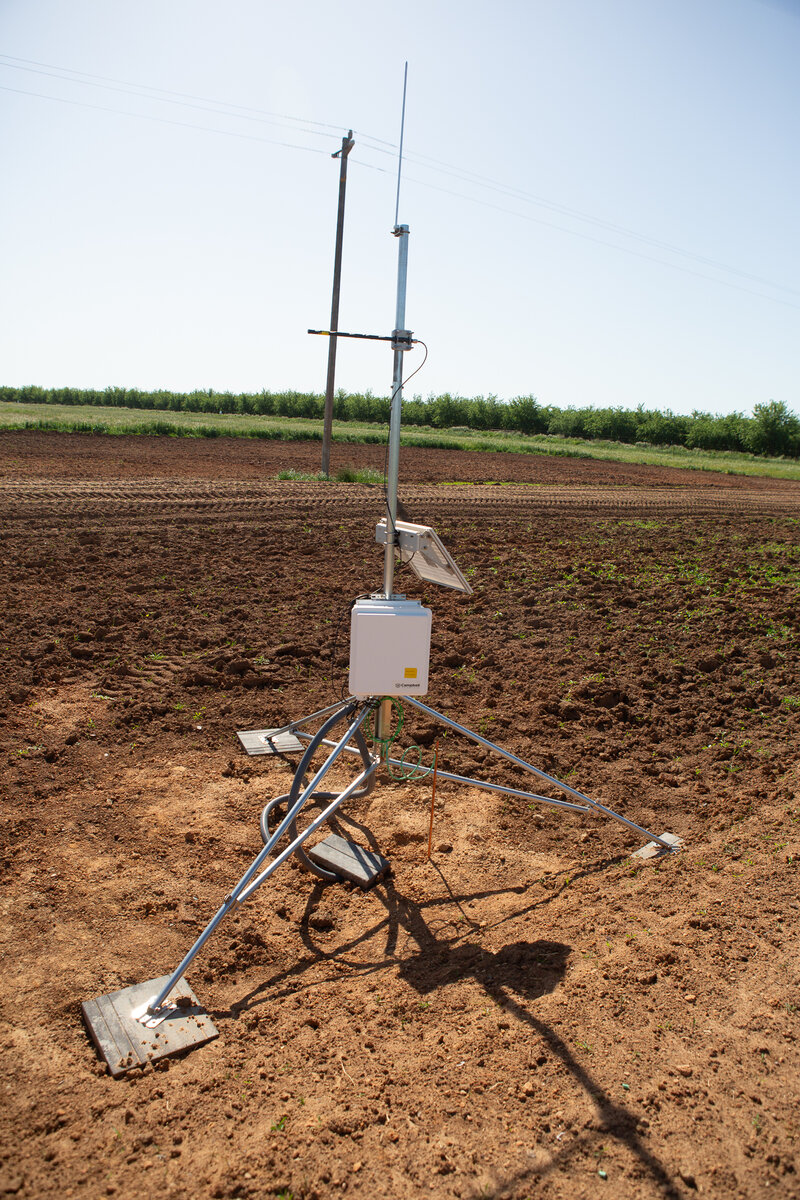
LI-COR HOBOnet base station with compatible soil moisture sensors deployed across research plots, providing continuous environmental monitoring.
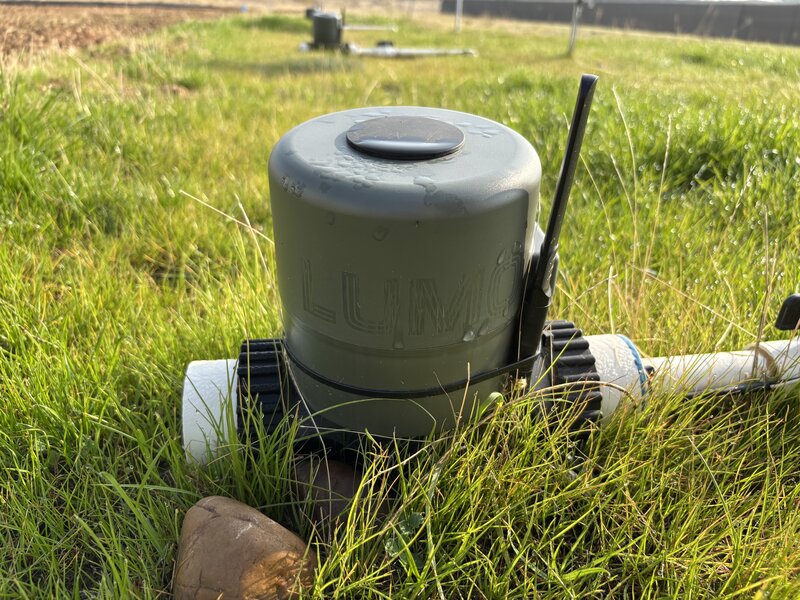
We're building a vendor-agnostic LoRa network to support long-range, low-power IoT sensors across the farm, enabling researchers to deploy their own compatible devices.
To ensure safety and successful collaboration, we ask all researchers to adhere to the following guidelines:
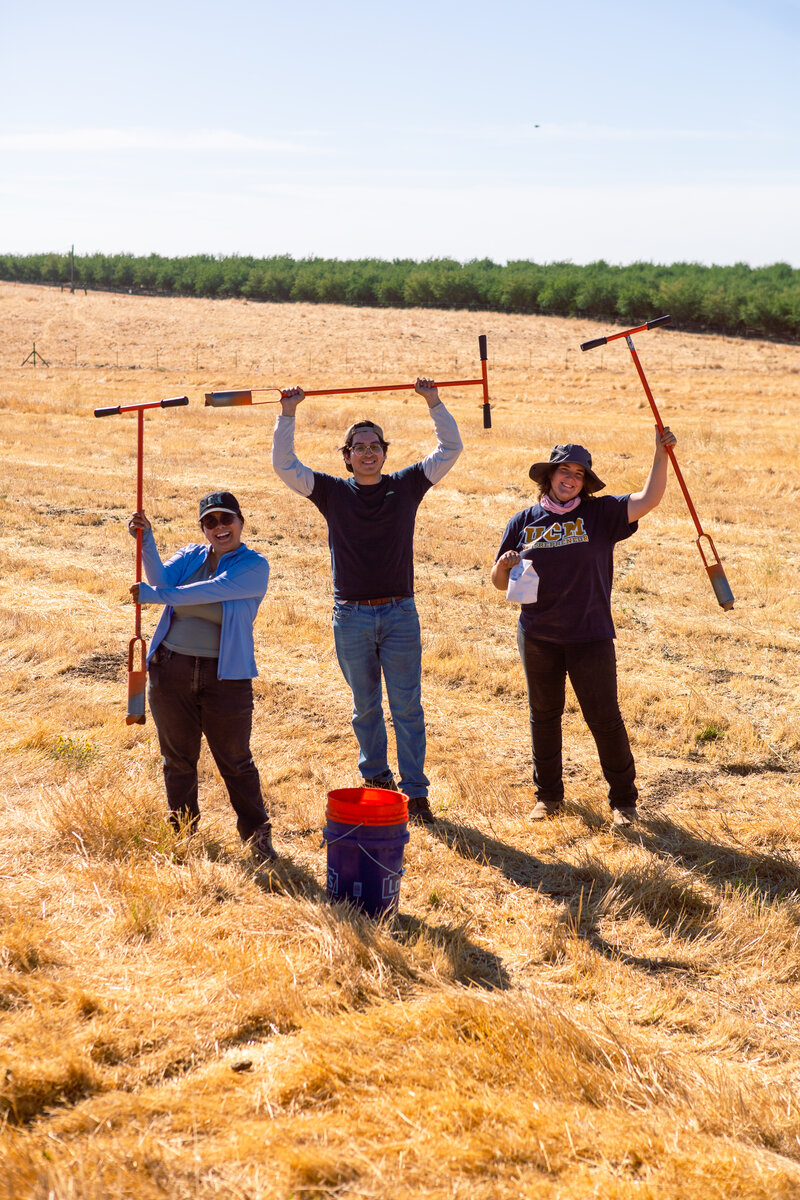
Submit a research proposal to begin the process. Our team will review your application and work with you to plan your project.
Submit Research ProposalThe projects running at the farm this season. Select one for the full write-up.
Solar panels and crops share the same ground, in a trial asking whether panel shade can raise yields, cut irrigation and ease the heat while the array keeps producing power.
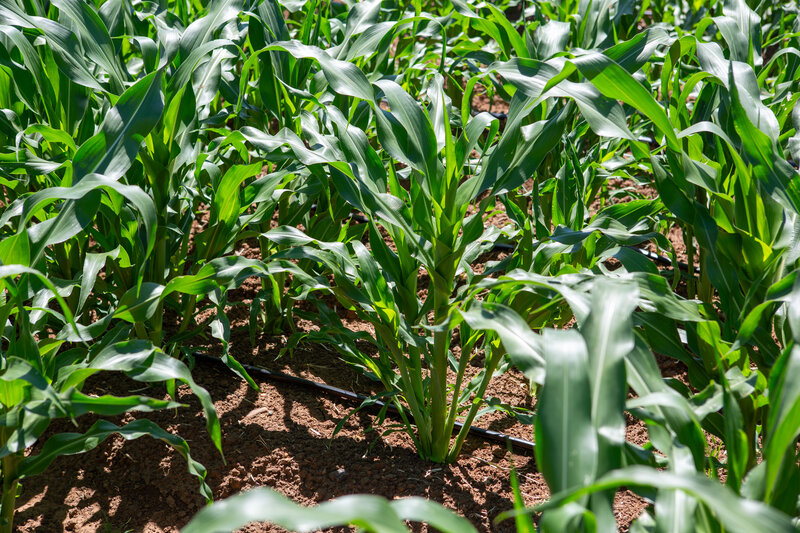
A mixed summer vegetable block run by the Ag Tech club, with corn, squash, watermelon, honeydew and cantaloupe growing in the same ground.
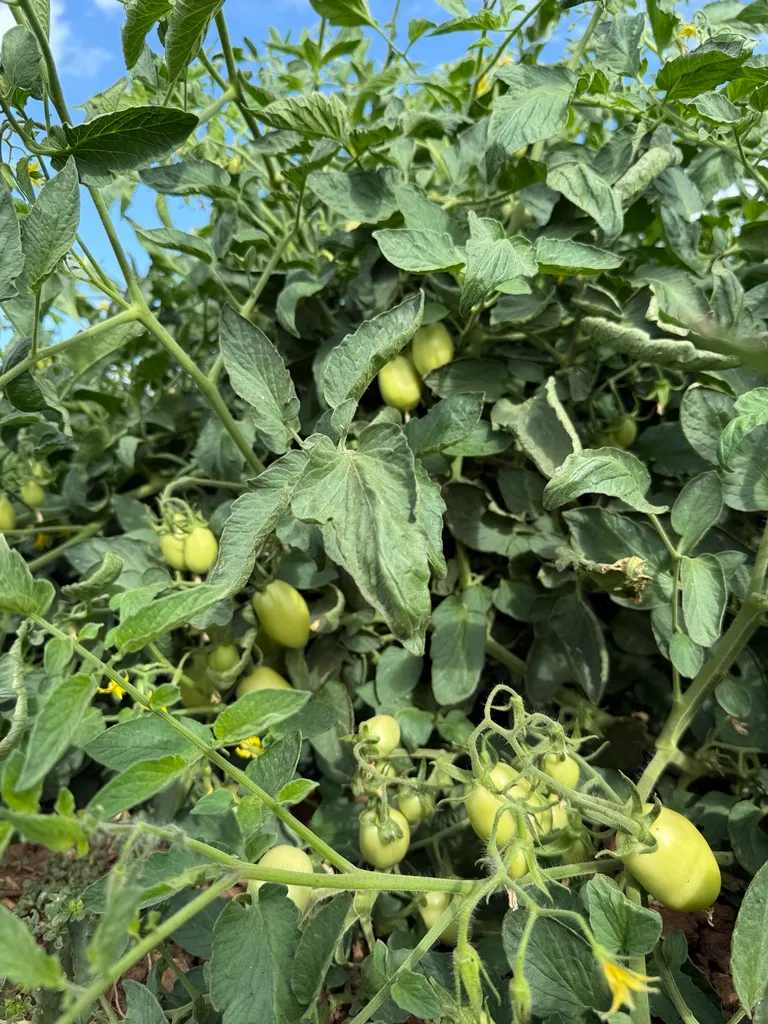
A CDFA-FREP-funded tomato study asking whether compost banded into the bed can take the place of some synthetic nitrogen, without costing yield under drip irrigation.
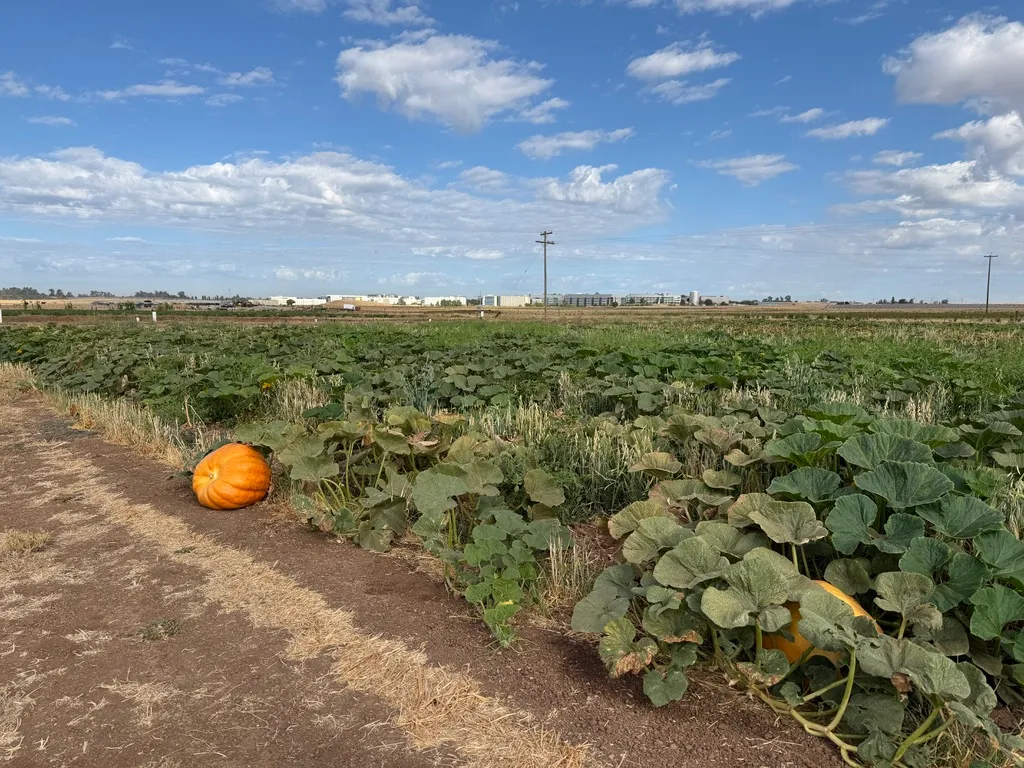
The farm’s pumpkin block for the season, irrigated and ready for a mid-June transplant.
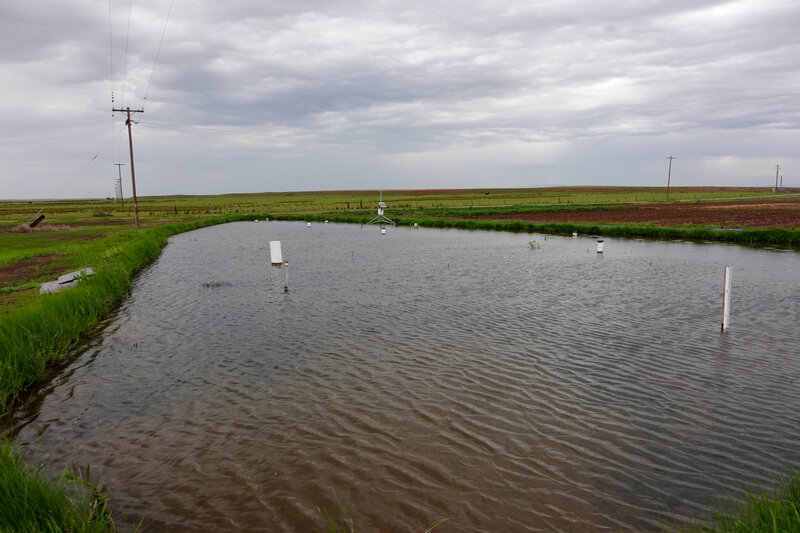
Two ways of getting water back underground: hardpan breakers drilled through a dense layer in ESF 05, and a passive basin in ESF 12 that has taken about 2 acre-feet.
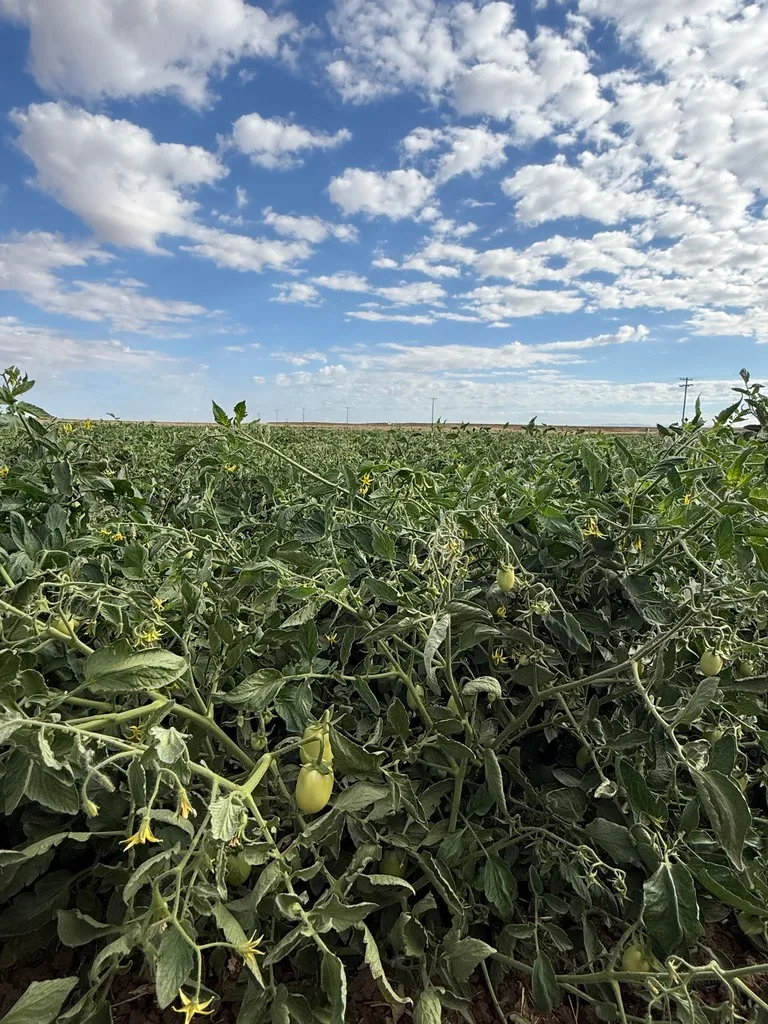
Compost made from cotton and green waste goes onto plots at reduced and full nitrogen rates, to see what it does for growth, yield, soil fertility, microbial life and emissions.
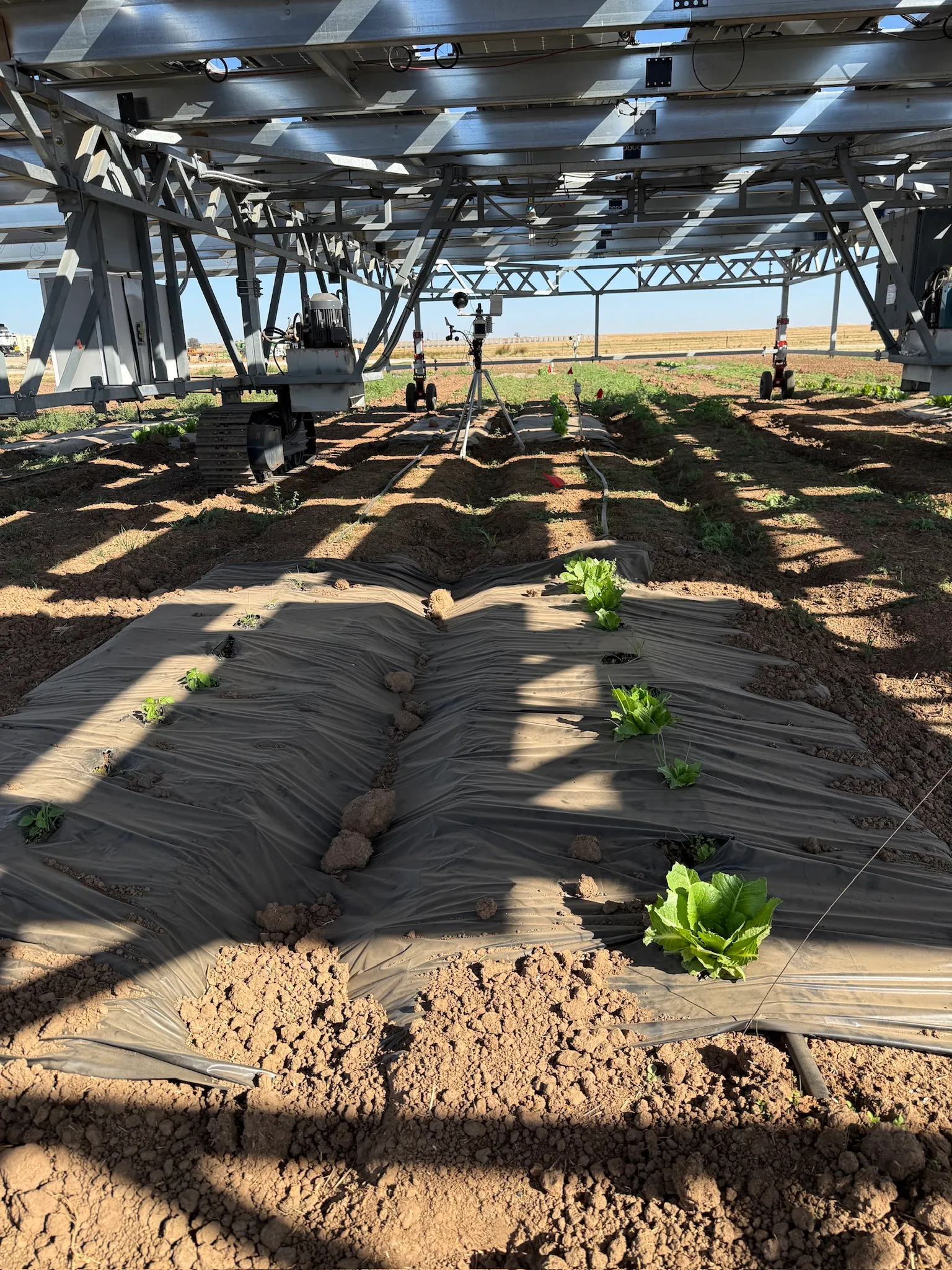
A solar platform that moves along the crop rows, shading plants when the sun is fiercest; shaded and open plots are compared to see what crops and water use do.
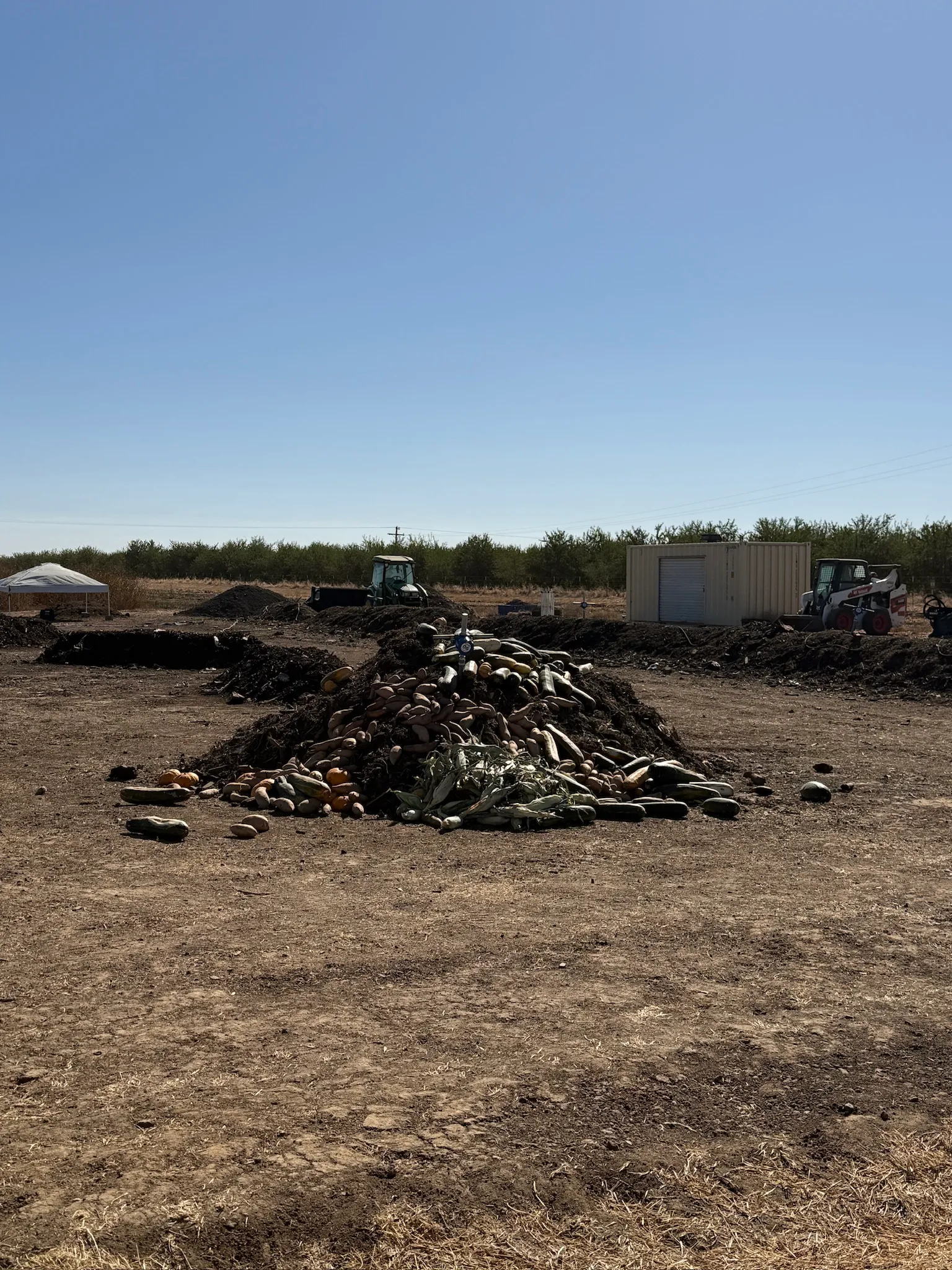
Biochar is the variable in this food waste composting trial.
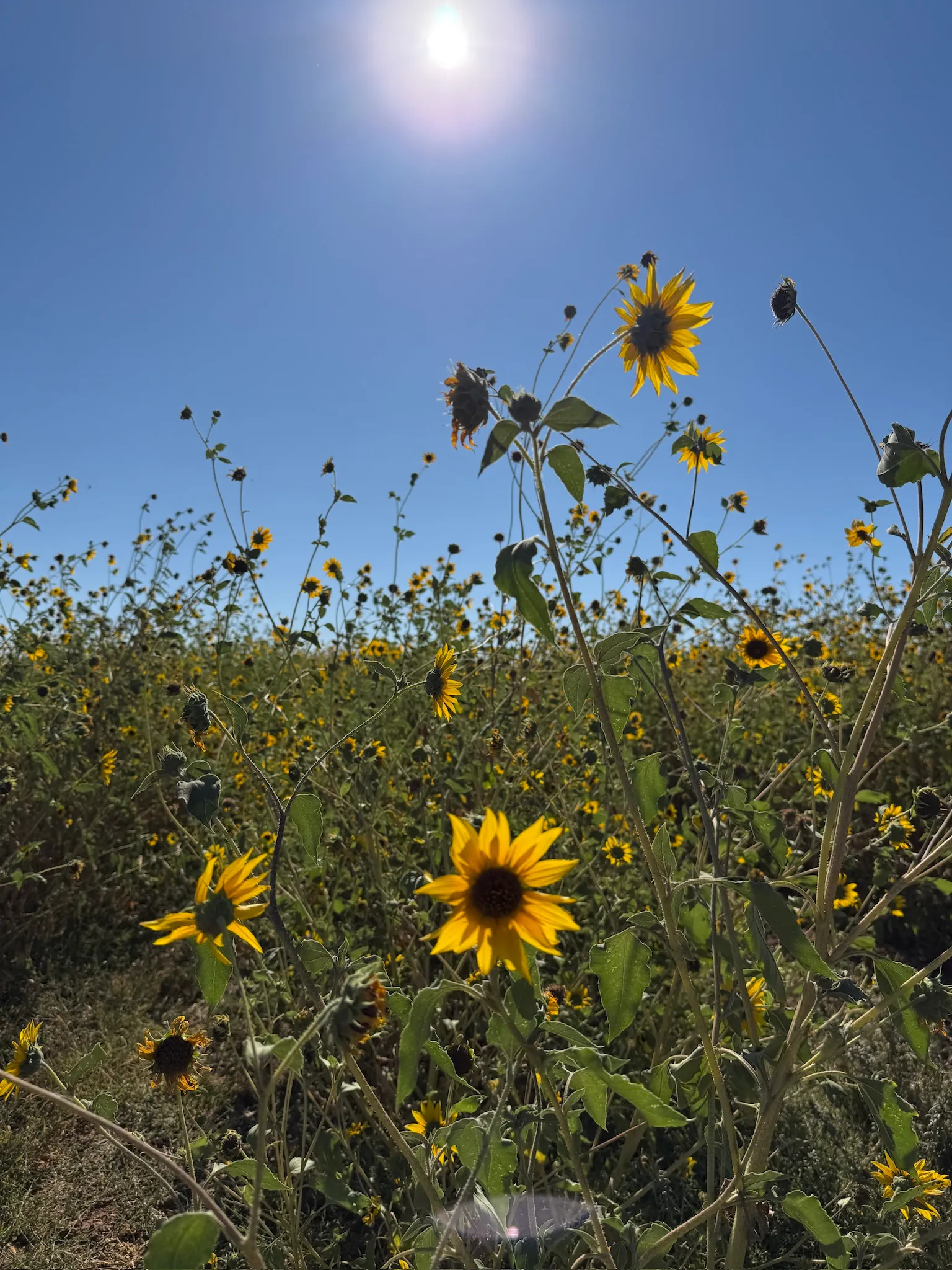
Native seed production with Valley Eco across three blocks, growing Central Valley grasses, forbs and milkweed for seed.
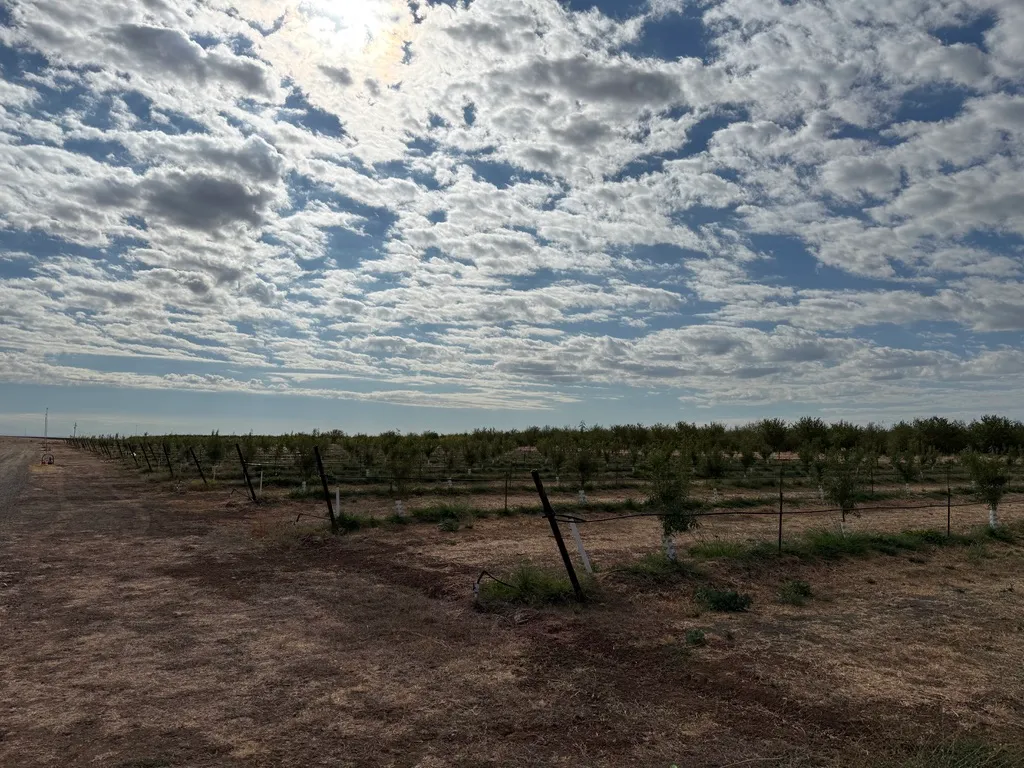
The almond orchard across blocks ESF 15 to 19, managed by the farm team with UCM, ABC and UCCE partners.