Research
Textile Composting
ESF 06
37.35524° N · 120.41167° W
Back to Research
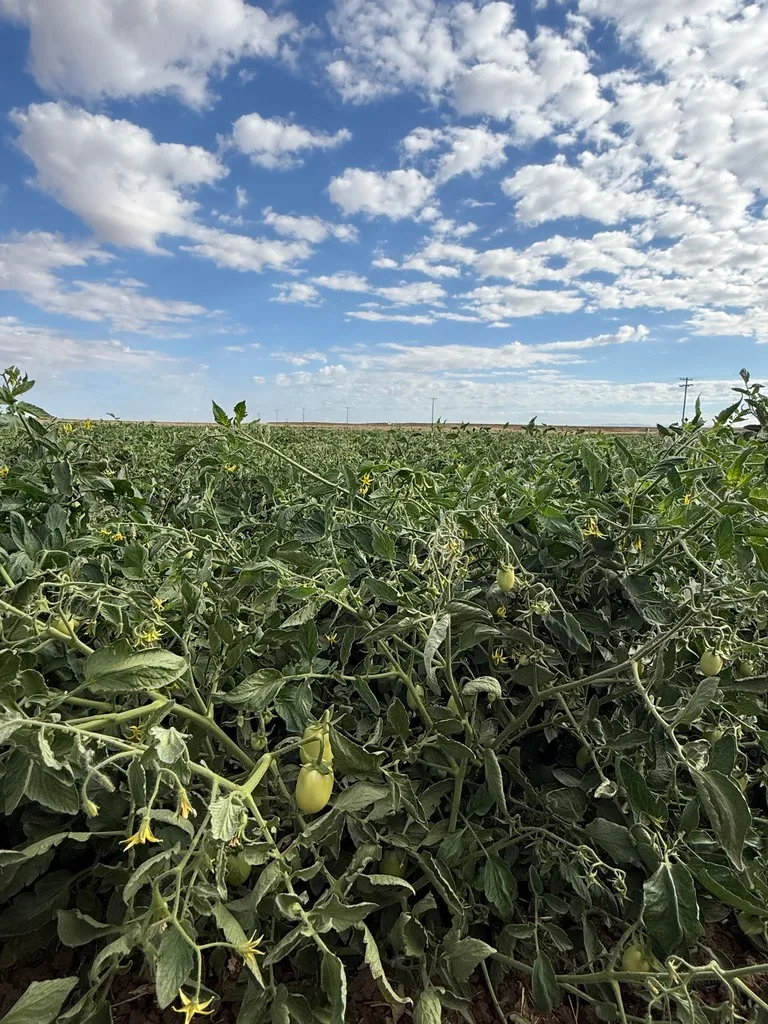
Compost made from cotton and green waste goes onto plots at reduced and full nitrogen rates, to see what it does for growth, yield, soil fertility, microbial life and emissions.
About this research
This experiment asks whether compost made from cotton and green waste can carry part of a crop’s nutrition.
Five treatments are compared: soil alone, full NPK fertiliser, and compost at 33.6 tonnes per hectare paired with 25%, 50% or 100% of the recommended NPK dose. Each is replicated five times.
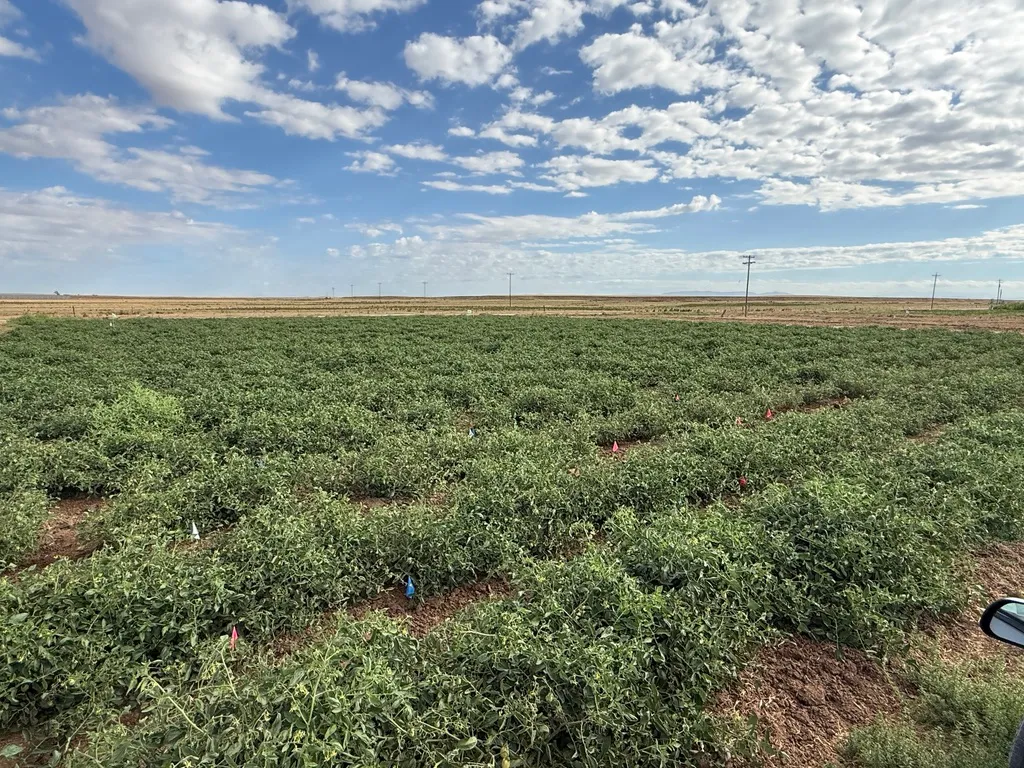
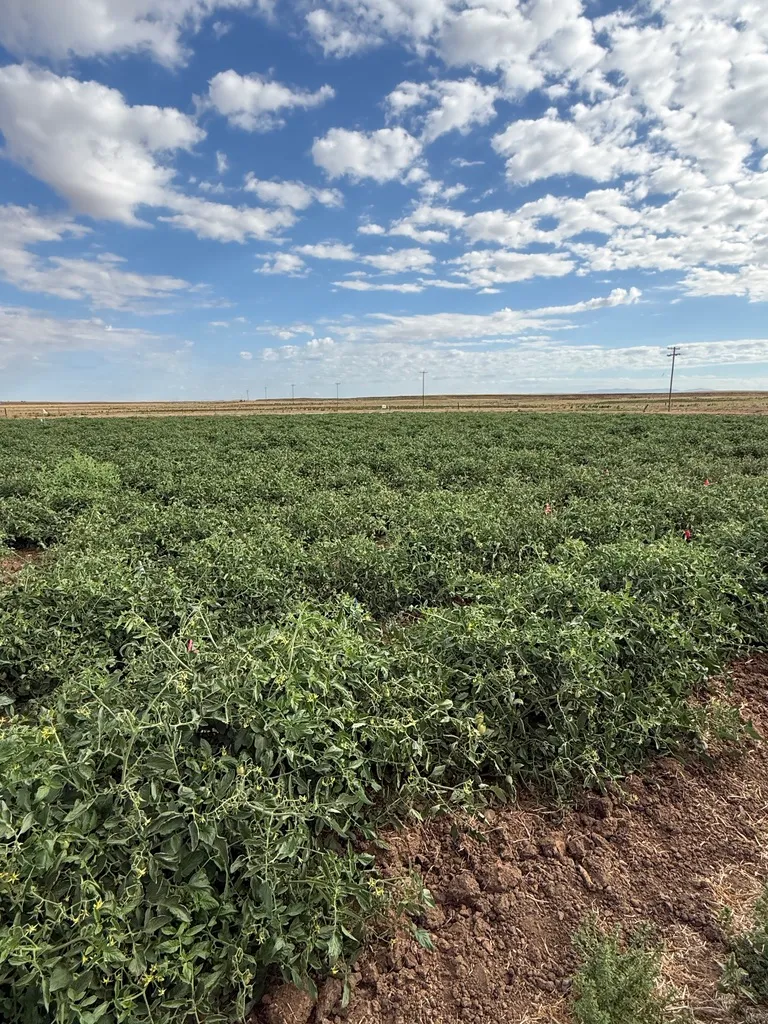
Tomato is direct-seeded into the plots and followed through the season for growth, biomass and yield, with post-harvest soil nutrients, organic carbon, microbial diversity and greenhouse gas emissions measured alongside.
Project details
- PI & team:
- Rebecca Ryals; Biyensa Dubiwak and Spencer Downey (graduate students)
- Department:
- Life and Environmental Sciences
- Summer 2026 crop:
- Processing tomato