Crop Information
Current and historical crop data from our research plots
Research Crops
ESF maintains diverse crop plantings to support a wide range of agricultural research. Our plots are instrumented with sensors that monitor soil conditions, plant health, and environmental factors throughout the growing season.
Researchers can access detailed data on crop performance, irrigation schedules, and environmental conditions through our data portal.
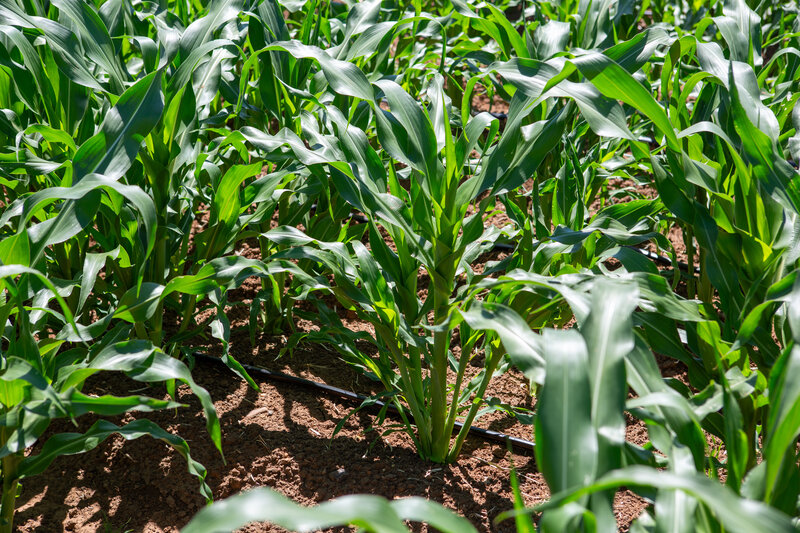
Corn
April - OctoberMultiple varieties grown for research on water efficiency and yield optimization.
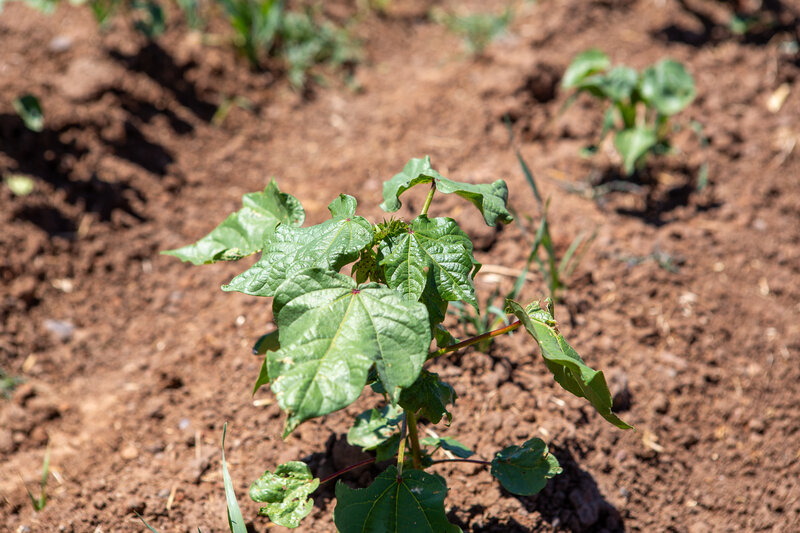
Cotton
April - NovemberResearch focus on water stress detection and precision irrigation.
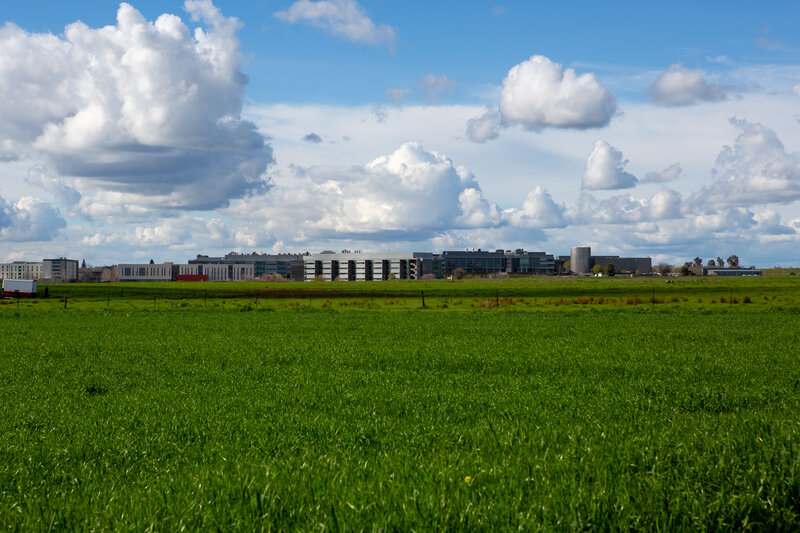
Cover Crops
November - MarchWinter cover crops for soil health and carbon sequestration studies.
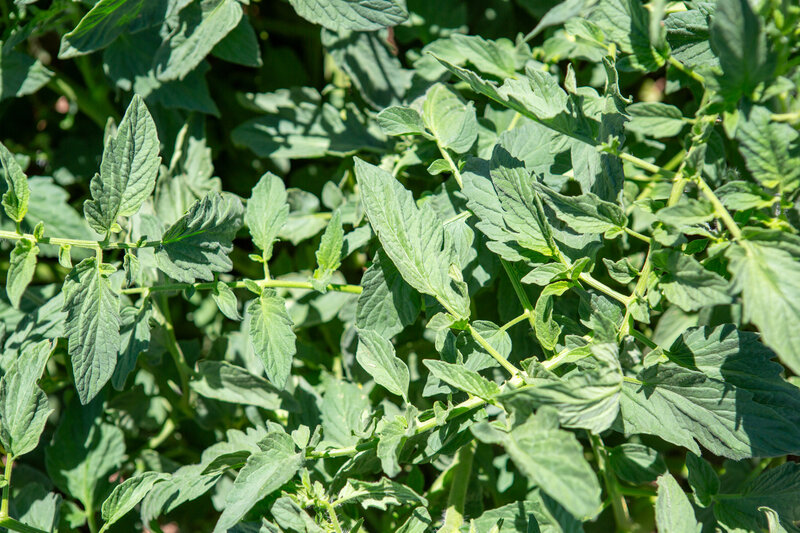
Tomatoes
May - SeptemberProcessing tomato research for water-efficient cultivation methods.
Specialty & Greenhouse Crops
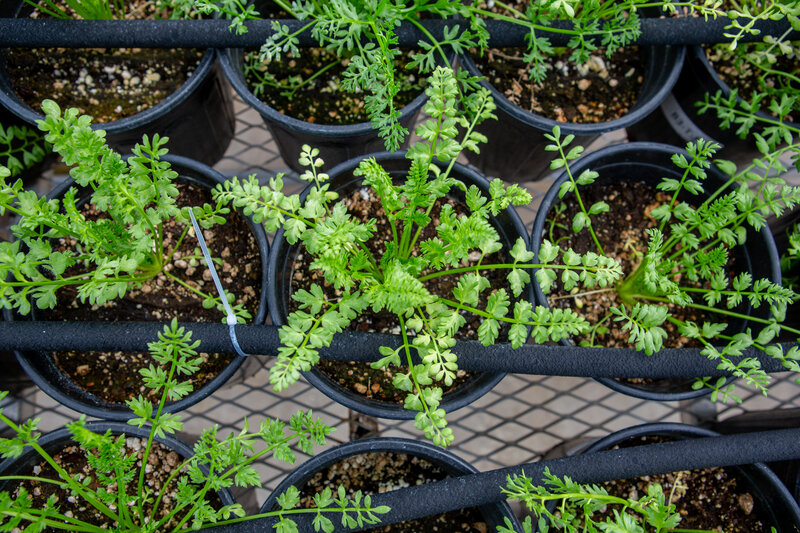
Beyond field-scale production, ESF maintains greenhouse facilities for propagation, specialty crop research, and controlled environment studies. Our greenhouse program focuses on high-value crops suited to the Central Valley climate.
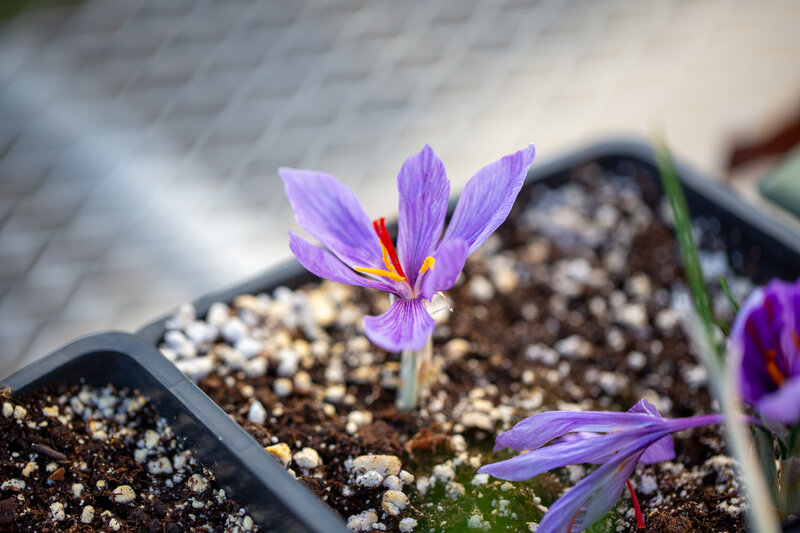
Saffron
Oct - NovHigh-value spice crop research exploring Central Valley cultivation potential. Each flower produces three precious stigmas harvested by hand.

Agave
Year-roundESF has an agave program underway exploring the potential of agave cultivation in the Central Valley as a drought-tolerant, high-value crop.
Photo by Clay Banks on Unsplash
Central Valley Crop Calendar
Planting, growing, and harvest windows for 50 major Central Valley crops
Crop Monitoring
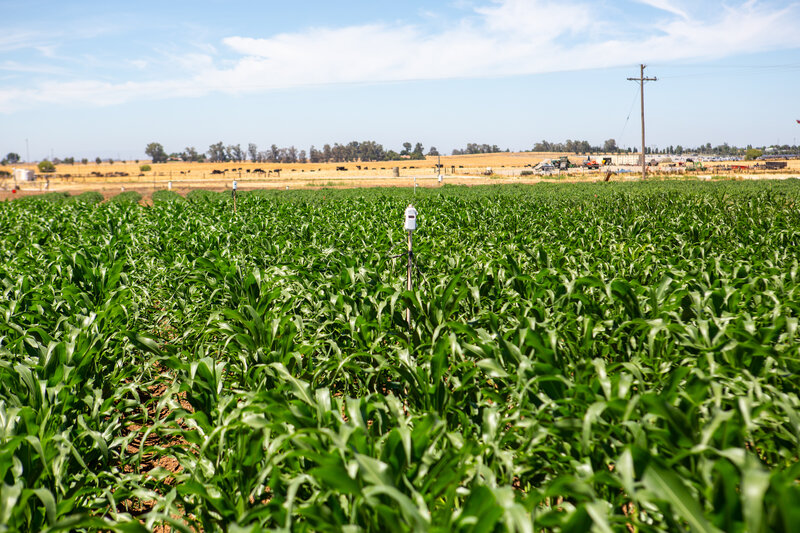
ESF works with researchers to deploy sensing infrastructure in our corn plots, including soil moisture probes at multiple depths and weather stations. We help coordinate sensor placement and provide ongoing data access.
Our historical crop data and real-time sensor feeds give researchers a comprehensive picture of growing conditions, helping them study irrigation efficiency, crop development, and environmental factors over multiple seasons.